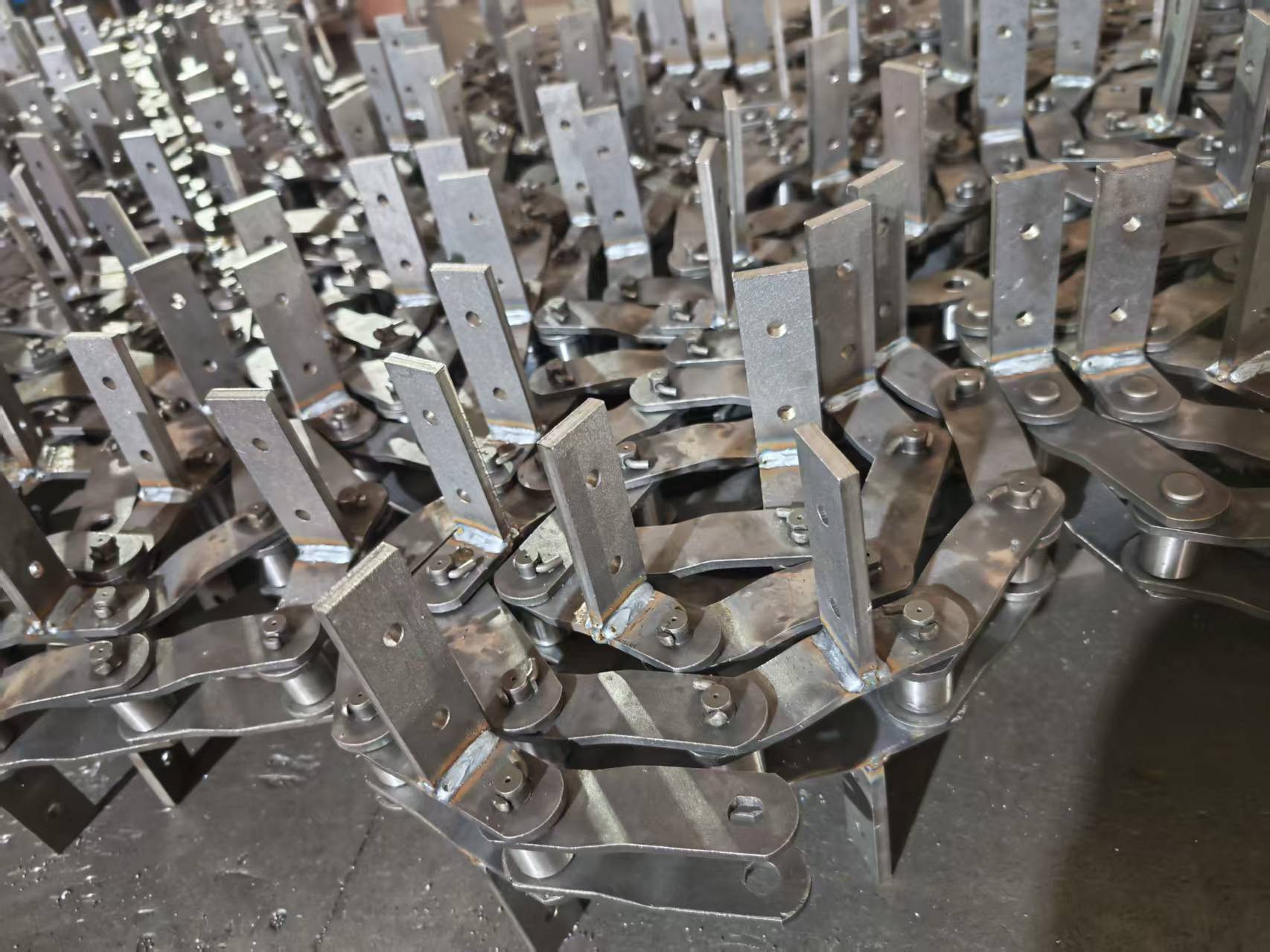
In today's complex engineering field, the importance of the concept of the "engineering chain" is becoming increasingly prominent. However, for many non-professionals, the "engineering chain" might still be an unfamiliar term. So, what exactly is an engineering chain? What crucial role does it play, and what significant advantages does it possess? This article will delve into these questions, providing a comprehensive unveiling of the mystery surrounding the engineering chain.
II. Definition and Composition of the Engineering Chain
In simple terms, an engineering chain refers to a series of interconnected, interdependent links and processes involved in an engineering project, from initial planning and design to final delivery and use. Its scope is quite broad, including but not limited to project planning, feasibility studies, design and development, raw material procurement, production and manufacturing, quality inspection, logistics and transportation, installation and commissioning, after-sales service, and so on.
Taking the construction of a large bridge as an example, project planning must first be conducted to determine the bridge's location, scale, and function. This is followed by feasibility studies to assess technical viability and economic rationality. Then comes the design and development stage, where detailed design drawings are meticulously created. Subsequently, procurement of raw materials, such as steel and cement, begins. During the production and manufacturing phase, raw materials are processed into various bridge components.
Quality inspection ensures the components meet standards. Logistics and transportation move the components to the construction site. Installation and commissioning are carried out to enable the bridge's normal operation. Finally, after-sales service must be provided to ensure the bridge's long-term safe operation.
III. The Role of the Engineering Chain
-
Ensuring Smooth Project Advancement: The various links within the engineering chain are tightly interlocked; the output of one link forms the basis for the next. Through rational planning and coordination, disconnections and conflicts between links can be avoided, ensuring the project progresses steadily according to the predetermined schedule and quality standards.
-
Enhancing Project Quality and Reliability: Each link has its specific quality control standards and methods. By implementing controls at each stage of the engineering chain, quality risks can be effectively eliminated, improving the overall quality and reliability of the project.
-
Reducing Project Costs: By optimizing processes and resource allocation within the engineering chain, waste can be reduced, efficiency increased, and consequently, project costs lowered.
IV. Advantages of the Engineering Chain
-
Systematic and Holistic Nature: The engineering chain views an engineering project as a complete system, not as isolated parts. This systematic thinking mode helps comprehensively consider various project elements, leading to more scientific and rational decision-making. For instance, when planning the development of a new product, one must consider not only the product's design and manufacturing but also aspects like market demand, raw material supply, production costs, sales channels, etc., to ensure the product can succeed in the market.
-
Flexibility and Adaptability: With the continuous changes in market environment and technology, engineering projects often need corresponding adjustments. The flexibility and adaptability inherent in the engineering chain enable projects to respond quickly to these changes and adjust strategies and plans promptly. For example, when raw material prices suddenly surge, the engineering chain can immediately adjust procurement strategies, seek alternative materials, or renegotiate prices with suppliers to mitigate the impact of cost increases on the project.
-
Continuous Improvement: Each link within the engineering chain can be continuously optimized and improved. Through data analysis and experience summarization of each link, problems can be identified, and effective measures can be taken to resolve them, thereby achieving continuous optimization and enhancement of the entire engineering chain. For example, by analyzing quality issues in the production process, production techniques and workflows can be improved, increasing product qualification rates and production efficiency.
V. Conclusion
In summary, the engineering chain is an indispensable and crucial component of engineering projects. Its role and advantages are highly significant for the successful implementation of projects. In the future engineering field, with the continuous evolution of technology and increasingly fierce market competition, the optimization and management of the engineering chain will become even more critical. Only by fully understanding and leveraging the role of the engineering chain can one gain an advantage in intense market competition and create more high-quality, high-efficiency engineering projects for society.
It is hoped that through the explanations in this article, you have gained a clearer and deeper understanding and awareness of the engineering chain.
1. We have strict quality control to ensure the quality of our products.
2. We provide exquisite packaging to protect the products before transportation.
3. A powerful factory with many years of production experience.Steel Conveyor Chain